Global Farming
Practical pasture decisions for farms that need clear, reliable information.
Section 1: Introduction
Overview of Global Farming
Farming is an essential activity that supports your life by providing food, raw materials, and economic sustenance. It encompasses a wide range of practices and crops, varying significantly across different regions and climates. Global farming is the backbone of food security, influencing global trade, economies, and cultures. As the world’s population continues to grow, the demand for efficient and sustainable farming practices becomes increasingly critical.
Brief History and Significance of Farming Globally
The history of farming dates back over 10,000 years, beginning with the Neolithic Revolution when humans transitioned from hunting and gathering to settled agricultural communities. This shift allowed for the development of civilizations, population growth, and technological advancements. Throughout history, farming has evolved through various agricultural revolutions:
• First Agricultural Revolution: Introduction of basic farming techniques and domestication of plants and animals.
• Second Agricultural Revolution: Advances during the Middle Ages, including crop rotation and improved ploughing techniques.
• Third Agricultural Revolution (Green Revolution): 20th-century innovations such as synthetic fertilisers, pesticides, and high-yield crop varieties.
Each revolution has significantly boosted agricultural productivity, shaping the world’s economic and social structures. Today, farming remains crucial as it feeds billions of people, supports livelihoods, and plays a key role in international trade.
Importance of Sustainable Farming Practices
Sustainable farming practices are vital to ensuring the long-term viability of agriculture and the health of our planet. These practices focus on:
• Environmental Protection: Reducing the use of harmful chemicals, conserving water, and protecting biodiversity.
• Economic Viability: Ensuring farming remains profitable for future generations through efficient resource use and diversification.
• Social Equity: Supporting fair labour practices, improving food security, and benefiting local communities.
By addressing the challenges of climate change, soil degradation, and resource depletion, sustainable farming becomes a critical component of global efforts to combat environmental issues and promote food security.
Role of Technology in Modern Farming
Technology has revolutionised modern farming, making it more efficient, productive, and sustainable. Key technological advancements include:
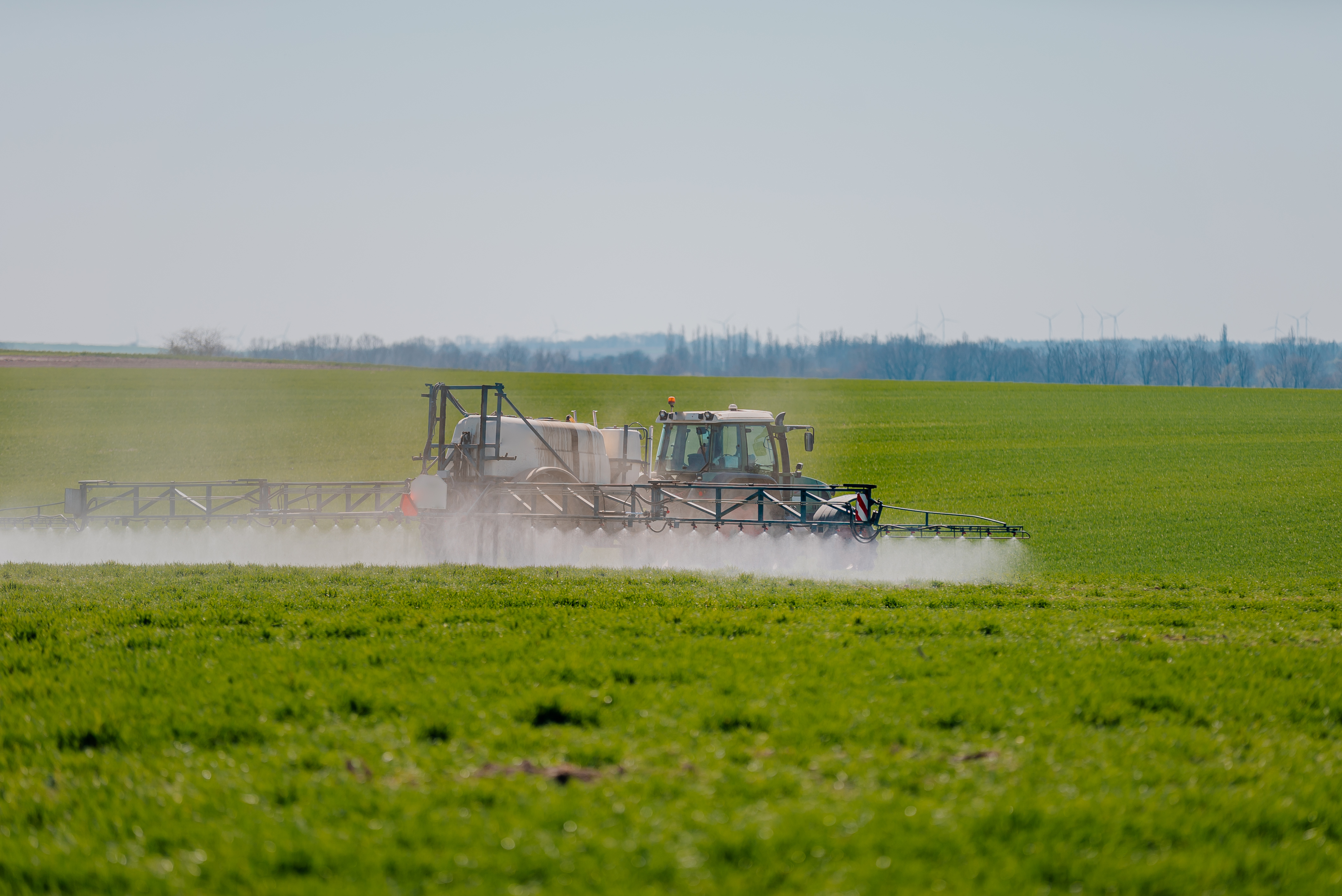
• Precision Agriculture: Utilising GPS, sensors, and data analytics to optimise planting, fertilisation, and irrigation, thereby increasing yields and reducing waste.
• Satellite and Drone Technology: Monitoring crop health, soil conditions, and weather patterns to provide real-time data and actionable insights.
• Automation and Robotics: Automating tasks such as planting, harvesting, and pest control to improve efficiency and reduce labour costs.
• Biotechnology: Developing genetically modified crops that are more resistant to pests, diseases, and environmental stresses.
These technologies not only enhance productivity but also contribute to sustainable farming practices by minimising resource use and environmental impact. Companies like Pasture.io leverage satellite-backed pasture readings to help you make informed grazing decisions, further exemplifying the critical role of technology in modern agriculture.
Section 2: Environmental Impact of Farming
Climate Change and Agriculture
Effects of Climate Change on Farming Practices
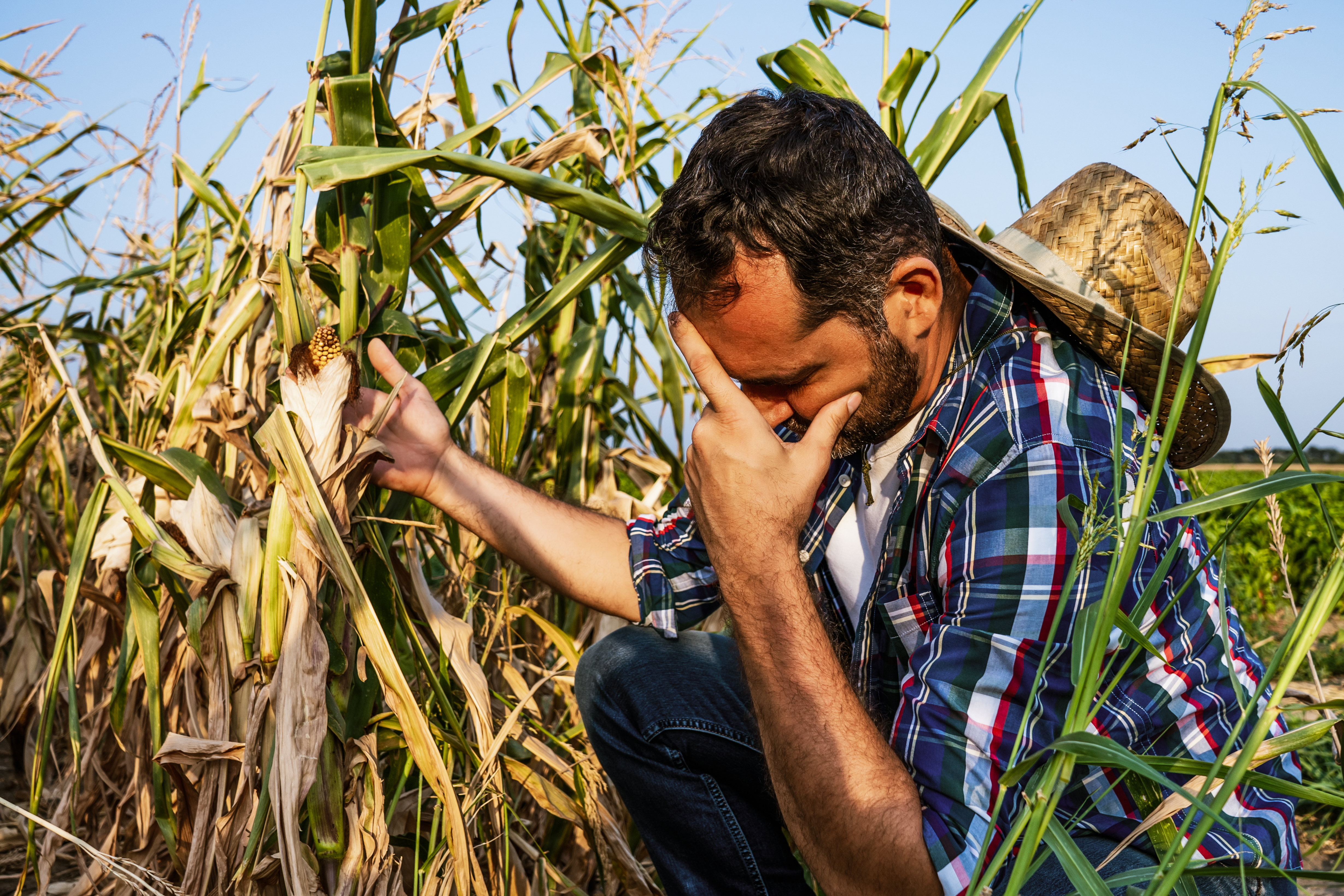
Climate change poses significant challenges to your farming practices, affecting crop yields, livestock productivity, and the stability of food systems. Key impacts include:
• Temperature Increases: Higher temperatures can stress your crops and livestock, reducing yields and increasing vulnerability to pests and diseases.
• Altered Rainfall Patterns: Changes in precipitation can lead to droughts or floods, impacting water availability and soil moisture levels.
• Extreme Weather Events: Increased frequency and severity of storms, heatwaves, and other extreme weather can damage your crops and infrastructure.
• Sea-Level Rise: Coastal farming regions may face salinisation of soils and loss of arable land.
You must adapt to these changes by modifying your practices, selecting resilient crop varieties, and implementing efficient water management systems.
Sustainable Farming Techniques to Mitigate Climate Impact
To combat the adverse effects of climate change, you can adopt various sustainable techniques:
• Crop Rotation and Diversity: Planting different crops in succession to improve soil health and reduce pest and disease cycles.
• Agroforestry: Integrating trees and shrubs into your farming systems to enhance biodiversity, improve soil structure, and sequester carbon.
• Conservation Tillage: Reducing or eliminating ploughing to maintain soil structure, increase organic matter, and reduce erosion.
• Efficient Water Use: Implementing drip irrigation, rainwater harvesting, and soil moisture monitoring to optimise water use and reduce waste.
Case Studies of Successful Sustainable Farms
Case Study 1: Polyface Farm, USA
• Practices rotational grazing, composting, and polyculture to enhance soil health and biodiversity.
• Achieved improved productivity and resilience to climate variability.
Case Study 2: Fazenda da Toca, Brazil
• Utilises organic farming techniques, agroforestry, and integrated pest management.
• Recognised for its sustainable practices and contribution to ecosystem restoration.
Soil Health and Management
Importance of Soil Health in Agriculture
Soil health is fundamental to your agricultural productivity and sustainability. Healthy soils:
• Support Plant Growth: Providing essential nutrients, water, and root support.
• Enhance Water Retention: Improving the soil’s ability to retain moisture and reduce runoff.
• Sequester Carbon: Acting as a carbon sink, helping to mitigate climate change.
• Promote Biodiversity: Supporting diverse soil organisms that contribute to nutrient cycling and pest control.
Techniques for Maintaining and Improving Soil Quality
You can adopt several practices to maintain and enhance soil health:
• Organic Amendments: Adding compost, manure, and cover crops to increase organic matter and nutrient content.
• Reduced Tillage: Minimising soil disturbance to preserve soil structure and microbial activity.
• Crop Residue Management: Leaving crop residues on the field to protect the soil surface and add organic matter.
• Cover Cropping: Planting cover crops during off-seasons to prevent erosion, improve soil structure, and add nutrients.
Role of Pasture Management in Soil Conservation
Effective pasture management plays a crucial role in soil conservation:
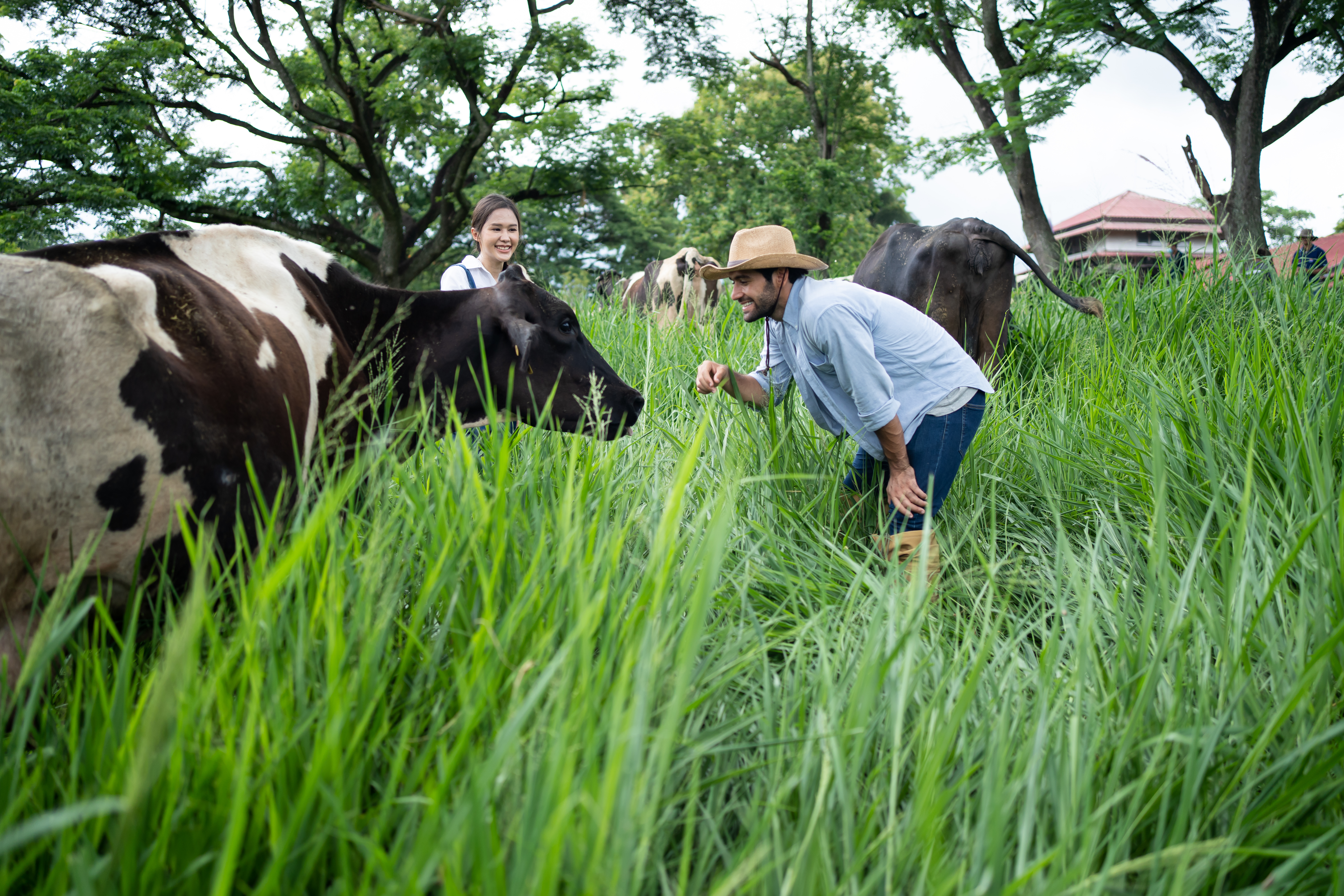
• Rotational Grazing: Moving livestock between paddocks to prevent overgrazing, reduce soil compaction, and promote regrowth.
• Maintaining Ground Cover: Ensuring your pastures have adequate plant cover to protect soil from erosion and enhance water infiltration.
• Diverse Plant Species: Promoting a variety of grasses and legumes to improve soil fertility and resilience.
By adopting these practices, you can improve soil health, enhance productivity, and contribute to environmental sustainability.