Climate whiplash planning: when one region floods and another stays dry (lessons from late January Australia)
Practical pasture decisions for farms that need clear, reliable information.
Article summary: Late January conditions in Australia highlighted a familiar pattern: heavy rain supporting pasture in parts of the north, while many central and southern areas stayed comparatively dry. “Climate whiplash” punishes rigid plans. The antidote is flexible rotation length, deliberate feed buffers, and early decision triggers. Use two playbooks: If you’re too wet (protect soils, avoid pugging, manage access and animal health) and If you’re too dry (protect residuals, slow the rotation, bring feed in early). Track three early-warning indicators weekly to act before the pinch hits: growth vs demand, ground condition/access, and feed buffer runway.
Every season has variability. The problem now is contrast.
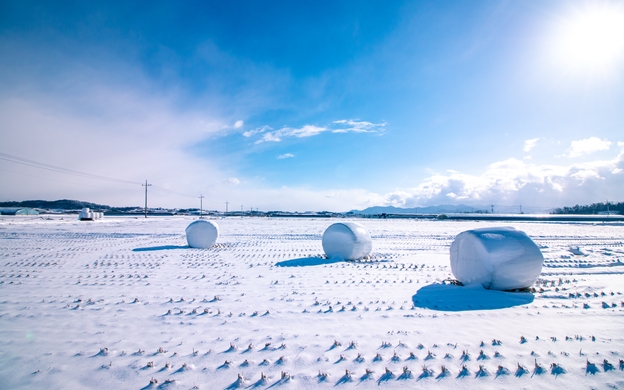
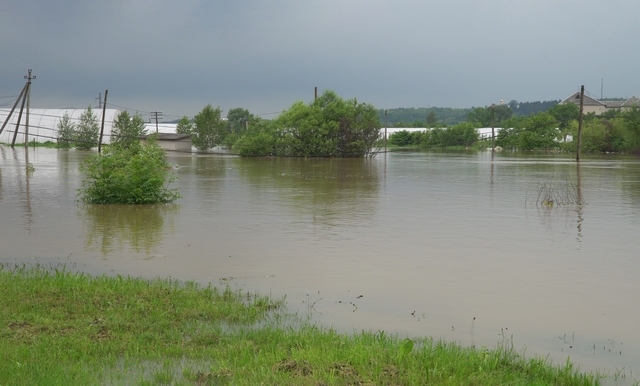
In late January, ABARES highlighted conditions where heavy rainfall events supported pasture growth in parts of northern Australia (including impacts from a cyclone and tropical low), while central and most southern areas remained comparatively dry.
That split is a useful lesson for any grazing business: you can be “too wet” and “too dry” in the same month across a customer base, a supply chain, or even across properties. The winning farms are rarely the ones with the perfect forecast. They’re the ones with a plan that flexes early.
The core idea: stop planning for one season, start planning for swings
Climate whiplash planning is not complicated, but it is deliberate. It comes down to four levers you can pull quickly:
-
Feed buffers you can deploy (and a clear rule for when to deploy them)
-
Rotation length you can shorten or lengthen without breaking the system
-
Sacrifice options (a paddock, stand-off area, feedpad, loafing area) that protect the rest
-
Early triggers so you act before pasture and animals start paying the price
Use the playbook below depending on what you’re facing right now.
If you’re too wet: protect soils first, then protect pasture quality
Wet periods are frustrating because you can have plenty of feed, but not the ability to utilise it without damage.
1) Make “trafficability” the boss
If you keep grazing when soils cannot carry stock, you can lose weeks of production through:
-
pugging and root damage
-
slower regrowth
-
poorer utilisation (trampling and fouling)
-
higher lameness risk
Simple on-farm rule: if you’re consistently leaving deep hoof marks and smearing the surface, move to your wet-weather plan.
2) Use a sacrifice paddock on purpose (not in panic)
A sacrifice paddock is a tool, not a failure.
Pick the least-worst option and protect everything else:
-
closest to infrastructure (water, laneways, feed access)
-
lowest risk to waterways and drains
-
easiest to renovate or repair later
-
ideally not your best perennial base
Manage it tightly:
-
keep time on the area as short as possible
-
feed on a firm base where you can (feedpad, stand-off area, laneway edge where appropriate)
-
set up back-fencing or controlled access to prevent “wandering damage”
3) Keep the rotation flexible, even if utilisation drops
Wet spells often mean:
-
you cannot graze to your ideal residual without damage
-
growth can surge, making pasture get ahead fast
Practical options:
-
On-off grazing (short grazing bouts, then off to a stand-off area)
-
Move faster on wet soils to reduce treading time per hectare
-
Drop out surplus paddocks early for later conservation when conditions allow (even if you cannot cut immediately)
4) Add a wet-weather animal health check
Wet conditions can change the health risk profile quickly. Keep an eye on:
-
lameness and hoof issues
-
mastitis pressure (dairy)
-
internal parasite pressure (where relevant)
-
metabolic stress if intakes fall due to disrupted grazing
If you’re making major changes (more supplement, more stand-off time), loop in your vet and adviser early.
If you’re too dry: protect residuals, slow the system down, and buy time early
Dry periods often fail slowly, then suddenly. The mistake is waiting until covers collapse.
1) Keep pasture plants alive and responsive
Your first job is to protect the engine (leaf area and root reserves).
Practical rules:
-
maintain a minimum residual to avoid scalping and slow recovery
-
avoid “grazing the paddock twice” (back-grazing regrowth because you’re short)
-
prioritise paddocks that recover fastest, not the ones that look nicest today
2) Lengthen the rotation before you’re forced to
When growth slows, the same round length becomes too fast.
Options:
-
increase days per round to match the new growth rate
-
increase rest where possible so plants can rebuild leaf area
-
reduce the grazed area per day if you have buffer feed to hold demand
3) Deploy feed buffers early (while you still have choice)
Feed buffers are not just “emergency hay”. They are a timing tool.
Common buffers:
-
conserved fodder (silage, hay)
-
bought-in feed (grain, pellets, by-products)
-
standing forage crops (where applicable)
A simple trigger: if growth is below demand for 1 to 2 weeks and no effective rain is forecast, start buffering now. It is cheaper than waiting until the wedge falls off a cliff.
4) Make early stock decisions while prices and options are better
Depending on your system, early moves can include:
-
moving trading stock earlier than planned
-
adjusting joining, weaning, or sale timing (beef)
-
tightening cull decisions (dairy)
-
protecting priority classes (lactating cows, finishing stock) with the best feed
The goal is not to “win the week”. It’s to protect the next 6 to 10 weeks.
Three early-warning indicators to track weekly (so you act before the pinch hits)
You don’t need more data. You need three signals you actually review every week.
1) Growth vs demand gap
Ask: Are we running a surplus or a deficit right now?
Track:
-
estimated pasture growth rate (or change in average cover)
-
stock demand (based on numbers, class, intake, supplements)
Trigger ideas:
-
deficit for 1 to 2 consecutive weeks → start buffering, lengthen rotation, review stocking pressure
-
persistent surplus → shorten rotation, increase grazing pressure, remove surplus for conservation
2) Ground condition and access
Ask: Can we utilise pasture without damaging the base?
Track:
-
pugging risk (visual check after grazing and rainfall)
-
cow flow and laneway condition
-
time off pasture (stand-off/feedpad use)
Trigger ideas:
-
consistent pugging signs → switch to wet plan (on-off grazing, sacrifice area)
-
laneways deteriorating → change traffic patterns early, not after you lose access
3) Feed buffer runway (days of cover)
Ask: If growth drops again, how long can we hold the system together?
Track:
-
on-hand conserved feed (and realistic daily use rate)
-
supplement contracts and delivery timing
-
paddocks you can sacrifice or defer without long-term damage
Trigger ideas:
-
buffer runway under a set threshold (for example 14 to 21 days) → secure feed, reduce demand, or both
Decision triggers you can set now (and stick to)
These are simple “if this, then that” rules that remove emotion from hard calls.
Wet triggers (examples)
-
If soils are not trafficable for 48 hours after rain → activate sacrifice plan
-
If lameness or mastitis indicators lift → reduce time on wet pasture and review stand-off hygiene
-
If pasture is getting ahead because you cannot graze it → mark surplus paddocks for conservation when a window opens
Dry triggers (examples)
-
If growth is below demand for two weekly checks → start buffering and lengthen rotation
-
If average cover drops below your comfort band → protect residuals and reduce demand early
-
If rainfall outlook stays low and you’re already buffering → plan the next decision (destock, cull, change joining) now
Where Pasture.io fits
Climate whiplash rewards fast, confident decisions. Pasture.io helps you make them by:
-
tracking cover and growth trends so you see surpluses and deficits early
-
keeping grazing records tight so you can adjust rotation length with confidence
-
supporting feed planning conversations with your adviser team using shared, consistent numbers
The weather will keep doing what it does. Your advantage is having a plan that moves sooner than the problem.
- The Dedicated Team of Pasture.io, 2026-01-13